
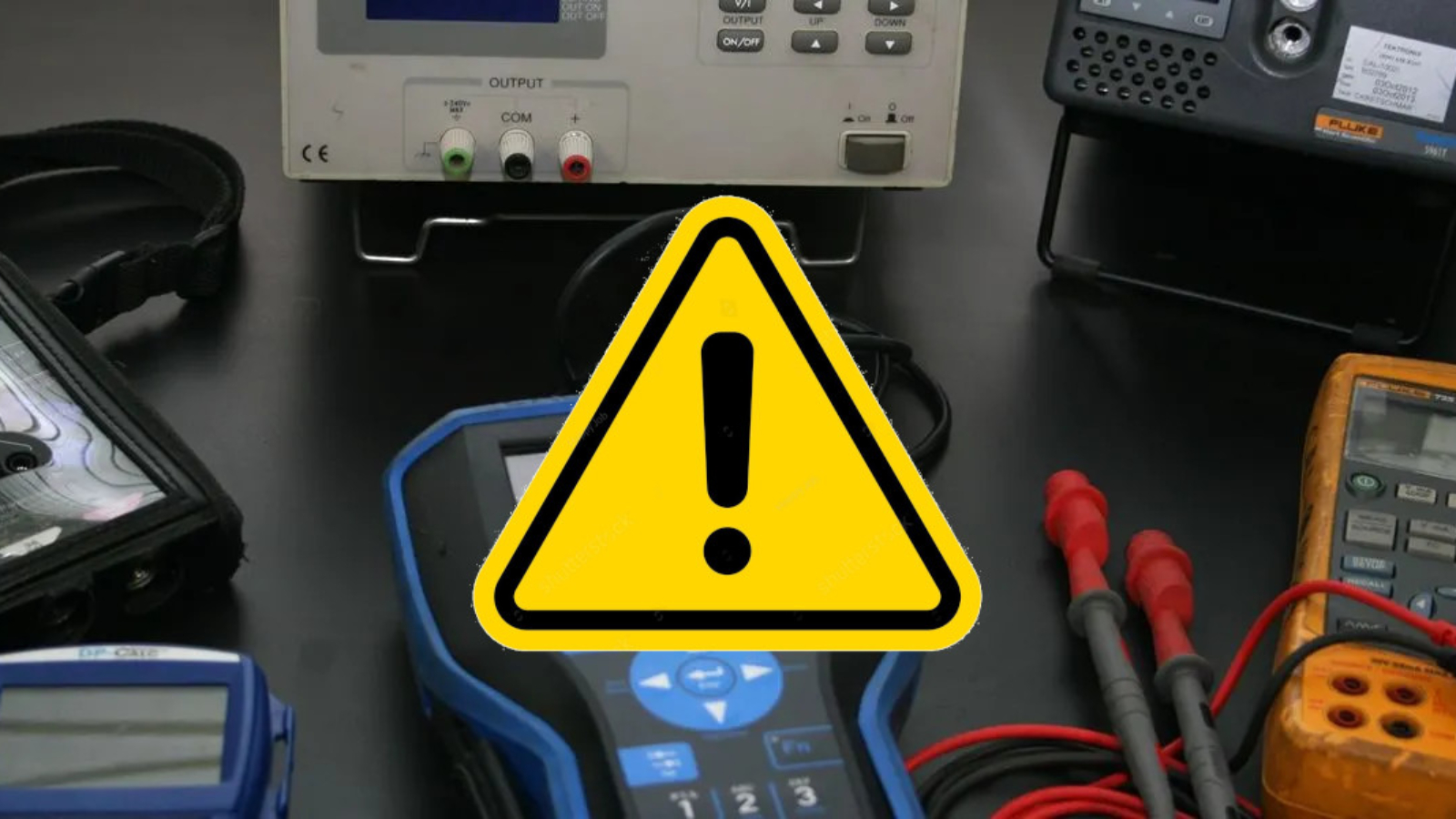

In the high-stakes world of industries like pharmaceuticals, healthcare, manufacturing, and aerospace, precision is not just a technical requirement—it’s a critical safeguard. At SOLID JANON SERVICES INT’ LIMITED, we see firsthand the impact of calibration on safety, compliance, and operational efficiency. Let’s take a practical look at what happens when calibration services are overlooked, the real-world risks involved, and why this process is essential for any business serious about maintaining quality and safety.
Why Calibration Is More Than a Checkbox
Calibration ensures that equipment is functioning accurately within defined parameters, usually aligning with industry standards and regulations. When equipment starts to drift from its standard performance—whether it’s a temperature sensor, pressure gauge, or any other measurement device—errors in data, quality, and even safety can start to accumulate. And in critical industries, these errors are not minor inconveniences; they can lead to serious problems that impact both people and processes.
Common Questions on the Importance of Calibration
Q: What are the risks if we delay or skip calibration?
A: Skipping calibration increases the chances of inaccurate readings, which can lead to poor product quality, regulatory non-compliance, safety hazards, and even equipment failure. In critical industries, this can mean endangering lives or compromising operational efficiency. Regular calibration keeps equipment within the optimal range, reducing risks and ensuring consistent accuracy.
Q: Isn’t calibration an unnecessary expense for equipment that seems to be working fine?
A: While it might seem like an extra expense, calibration is actually a cost-saving measure. It helps prevent premature wear and tear on equipment, maintains regulatory compliance, and minimizes costly production downtime or fines due to safety incidents or quality failures. Many companies have found that the cost of neglecting calibration far outweighs the cost of scheduling it regularly.
Q: How often should we calibrate our equipment?
A: Calibration frequency depends on industry standards, equipment type, and usage. At SOLID JANON SERVICES INT’ LIMITED, we recommend creating a customized calibration schedule that meets both regulatory guidelines and operational needs. Regular checks ensure that equipment remains within safe and accurate limits, which in turn protects productivity and safety.
Q: Can calibration reduce our overall maintenance costs?
A: Absolutely. Regular calibration ensures that equipment operates within its optimal performance range, which reduces wear and tear. This means fewer unexpected repairs, fewer parts replacements, and a longer lifespan for each piece of equipment. Many of our clients have found that a well-maintained calibration schedule leads to significant savings in maintenance costs over time.
Q: How does calibration help with process optimization?
A: Calibration ensures the accuracy of measurement tools, which leads to precise data collection and helps identify any inefficiencies in the production process. With accurate data, companies can fine-tune their operations to improve productivity, enhance quality, and reduce waste. It also allows for better benchmarking, which is essential for continuous improvement in industries where precision is key.
What’s at Stake: Key Risks of Neglecting Calibration
1. Safety and Reliability Issues
In any industry that involves human safety—think healthcare or aviation—even a small measurement error can have significant consequences. Medical equipment, for instance, that’s even slightly off in measurement can result in an incorrect dose or an inaccurate diagnosis, directly impacting patient outcomes. In manufacturing or construction, where workers handle high-pressure or high-temperature equipment, a miscalibrated sensor can fail to warn them of dangerous conditions, leading to potential accidents or injuries.
Neglecting calibration means accepting a level of risk that can compromise not just employee safety but public trust. And the more complex the equipment, the greater the need for regular recalibration, especially as wear and tear can gradually pull devices out of their optimal range.
2. Compliance and Regulatory Setbacks
Most critical industries operate under strict regulations to ensure quality and safety standards are met consistently. Calibration is not only a best practice; in many cases, it’s a regulatory requirement. Failing to maintain proper calibration records or overlooking scheduled calibration intervals can lead to non-compliance issues, fines, or worse, shutdowns.
For instance, in the pharmaceutical industry, regulators like the FDA or European Medicines Agency require that all measurement tools undergo regular calibration. If a random audit uncovers lapses in calibration, a business could face hefty fines, recalls, or production halts—all of which impact the bottom line and harm reputations. Staying compliant means staying vigilant about calibration.
3. Reduced Equipment Lifespan and Performance
Poorly calibrated equipment often has to work harder to produce accurate results, leading to increased wear and tear. For example, in manufacturing, a machine that’s misaligned will generate more friction, heat, or pressure, causing components to degrade faster. Over time, this unnecessary strain can reduce the equipment’s lifespan, increase repair costs, and lead to more frequent replacements.
Regular calibration helps identify these issues early, ensuring that equipment runs smoothly and efficiently, ultimately saving on maintenance costs. For many industries, having reliable, high-performing equipment isn’t just beneficial; it’s essential for meeting daily production quotas and delivering quality products consistently.
4. Inaccurate Data and Poor Decision-Making
In sectors that rely heavily on data, inaccurate measurements can lead to poor decisions and operational inefficiencies. For instance, a miscalibrated sensor in a food production line could impact the formulation of products, leading to taste or texture inconsistencies that affect consumer satisfaction and brand trust. When management relies on faulty data, it’s nearly impossible to make informed decisions, which can trickle down to every aspect of operations—from procurement and production to quality assurance.
Testimonials: Real-World Impact of Calibration Services by SOLID JANON SERVICES INT’ LIMITED
Pharmaceutical Client Testimony:
“We used to consider calibration as just another task to tick off. But since we started working with SOLID JANON SERVICES INT’ LIMITED, we’ve seen the difference. They don’t just calibrate our equipment; they help us understand the impact of each calibration on our production quality. Their thorough service and guidance have made us more confident in our product accuracy and compliance with industry standards.”
Manufacturing Partner Testimony:
“Our machinery was wearing down faster than we anticipated. After consulting with SOLID JANON, we realized our calibration schedule was insufficient. With their tailored calibration plan, we’ve seen a noticeable reduction in repairs and increased equipment lifespan. The investment in calibration services has saved us time and costs we didn’t realize were directly linked to this area.”
Healthcare Facility Testimony:
“At first, we hesitated on regular calibration, thinking our equipment was already top-notch. However, after a critical misreading incident, we turned to SOLID JANON SERVICES INT’ LIMITED. They gave us insights into calibration’s role in patient safety, and we’ve since made it a priority. Knowing our equipment is regularly calibrated has made all the difference in trust for both staff and patients.”
Aerospace Industry Testimony:
“Working in aerospace, there’s no room for error. SOLID JANON SERVICES INT’ LIMITED has been instrumental in ensuring that all our equipment is calibrated to the highest standards. Their attention to detail and commitment to safety compliance has made them our go-to for calibration. We’ve noticed improved accuracy and reliability in our measurements, which is critical in our field.”
Food Manufacturing Testimony:
“As a food manufacturer, maintaining consistency in our products is everything. SOLID JANON showed us that small calibration adjustments could make a big difference in product quality. We’re now consistently hitting the mark in taste and texture, and our waste has decreased significantly. Their approach to calibration is not only professional but also results-driven, and we couldn’t be happier with the outcomes.”
Making Calibration a Priority
For critical industries, calibration isn’t just about checking a box; it’s about ensuring every part of the operation works as intended to support safety, compliance, and quality. At SOLID JANON SERVICES INT’ LIMITED, we understand the impact that even small deviations can have in high-stakes environments. Regular calibration services help mitigate these risks, giving companies peace of mind that their operations are safe, reliable, and efficient.
Neglecting calibration might seem like a minor cost-cutting measure, but in reality, it’s a costly gamble. By investing in routine calibration, companies don’t just meet regulatory standards; they invest in the long-term success of their operations, protect their reputation, and, most importantly, safeguard the people who depend on their products and services.
Ready to Enhance Your Equipment Reliability and Safety?
Don’t wait until you face costly downtime, safety issues, or regulatory challenges. At SOLID JANON SERVICES INT’ LIMITED, our experienced calibration team is here to ensure that your equipment operates with precision, consistency, and compliance. Let’s help you safeguard your operations, enhance performance, and protect your reputation.
Contact us today for reliable, professional calibration services that you can trust:
📍 Office Address:
10, Jimoh Balogun Street,
Off CMD Road, Ikosi Ketu,
Opp. Boku Mart,
Lagos State, Nigeria.
📞 Phone Numbers:
090930719376
08163604939
08181012229
08089644082
📧 Email Contacts:
- General Inquiries: info@sjsltd.com.ng
- Sales Inquiries: sales@sjsltd.com.ng
- For Johnson: johnson.f@sjsltd.com.ng
Let us help you set the standard for precision and reliability in your industry!
Add a Comment